Group Accommodation Accessibility
When you're organising a group getaway for family, friends, or colleagues, finding accommodation that works for everyone in your group is one of the most important – and sometimes most overlooked – parts of the planning process. If someone in your group has a disability, uses a mobility aid, has sensory sensitivities, or has other specific needs, the wrong venue can turn what should be a joyful experience into a stressful one.
Accessible group accommodation isn't just about wheelchair ramps. True accessibility means a venue where every person – regardless of physical ability, age, or support need – can move freely, sleep comfortably, participate fully, and feel genuinely included in the experience.
This guide walks you through the key accessibility features to look for when booking group accommodation, and what questions to ask before you commit to a venue.
Why Group Accommodation Accessibility Matters
In an individual or couple's holiday, accessibility needs are relatively contained. But in a group setting – a family reunion, a supported group outing, a special needs excursion, a multigenerational getaway – the stakes are higher. You're responsible for the comfort and safety of everyone in your group, and accessibility gaps can affect not just one person but the entire dynamic of the stay.
When accessibility isn't properly considered, people with mobility limitations may find themselves excluded from communal spaces. Guests who rely on support workers may struggle with inadequate sleeping arrangements. Children or adults with sensory sensitivities may be overwhelmed in environments that aren't thoughtfully designed.
Getting it right, on the other hand, means everyone can participate equally – and the group can focus on connection, enjoyment, and shared experience rather than navigating logistical obstacles.
Key Accessibility Features to Look for in Group Accommodation
1. Step-Free or Ground Floor Access
This is the starting point for any accessibility assessment. Check whether the main living areas, dining spaces, bathrooms, and at least some of the bedrooms are accessible without stairs. Ground floor bedrooms are essential for guests who use wheelchairs, walking frames, or who find stairs challenging due to age or injury.
Ask whether the entrance to the property and pathways between buildings or outdoor areas are step-free or ramped. Even a single unexpected step can create a significant barrier.
2. Accessible Bathroom Facilities
Standard bathrooms are often the biggest challenge for guests with mobility limitations. Look for venues that offer:
- Walk-in showers or wet rooms (no step-over lip)
- Grab rails near the toilet and shower
- Enough floor space to manoeuvre a wheelchair or for a support worker to assist
- Shower chairs or benches, or the ability to provide one on request
Multiple bathrooms are also valuable in group accommodation settings – not just for convenience, but because accessible bathrooms can sometimes be slower to use, and having a good ratio of bathrooms to guests reduces pressure on everyone.
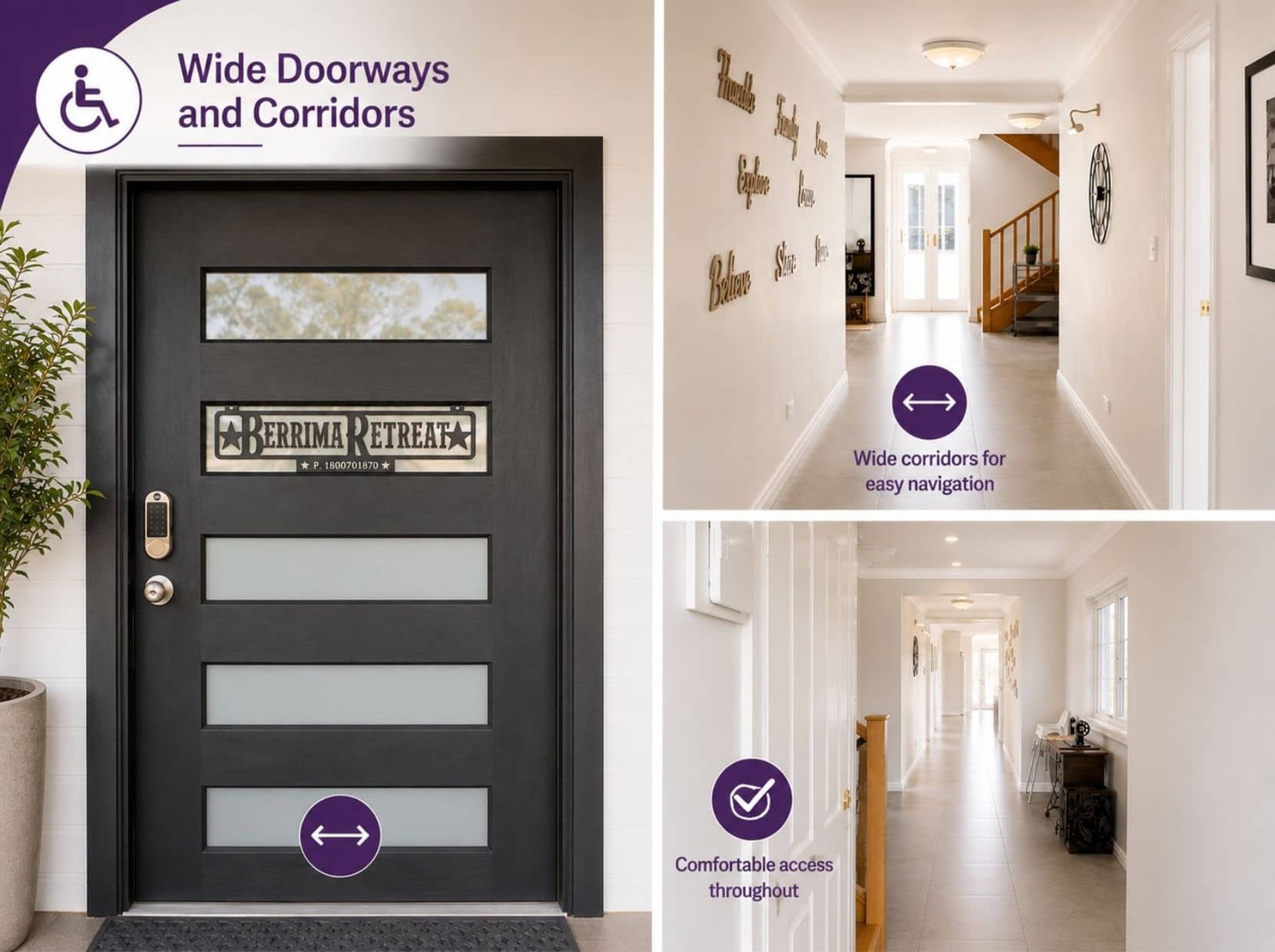
3. Wide Doorways and Corridors
Standard doorways (typically 75–80cm) are often too narrow for wheelchairs or walking frames. Look for venues with wider doorways – ideally 90cm or more – in bedroom and bathroom entrances, and check that corridors and passageways are wide enough to navigate comfortably.
This is especially important in older heritage properties, which can have charming character but sometimes challenging layouts for accessibility.
4. Bedroom Configurations for Support Needs
For groups that include guests with disabilities, the bedroom setup matters enormously. Consider:
- Adjustable bed heights or the ability to add risers to standard beds
- Family rooms where a guest with support needs and their carer or parent can share a space comfortably
- Enough floor space in bedrooms to assist someone with dressing, personal care, or transfers
- Access to power points for medical equipment such as CPAP machines, electric wheelchairs, or other devices
The best group accommodation venues offer flexible room configurations – beds that can be separated or rearranged – so the layout can be adapted to the specific needs of your group.
5. Safe and Enclosed Outdoor Spaces
For groups that include children or adults with cognitive disabilities, autism, or conditions that affect spatial awareness, an enclosed or fenced property is not just a preference – it can be essential for safety.
A secure perimeter means support workers and carers can relax slightly, knowing the people in their care can’t wander beyond a safe boundary. It also means guests can enjoy outdoor space freely, without constant supervision creating anxiety for the whole group.
Look for properties with secure fencing, gated access, and outdoor areas that are free from significant hazards like unfenced water features or steep drop-offs.
6. Pool Safety and Accessibility
If the venue has a swimming pool – a popular feature for group stays – check what safety and accessibility measures are in place:
- Is the pool fenced and gated in compliance with Australian pool safety standards?
- Is there a gradual entry point, or is access only by ladder?
- Is there a pool hoist or portable pool lift available for guests with limited mobility?
- Is the pool area non-slip and easy to navigate with a mobility aid?
Pool access can be enormously meaningful for guests with disabilities – the buoyancy of water is therapeutic and freeing – so a venue that has thought carefully about pool accessibility adds real value.
7. Communal Spaces That Work for Everyone
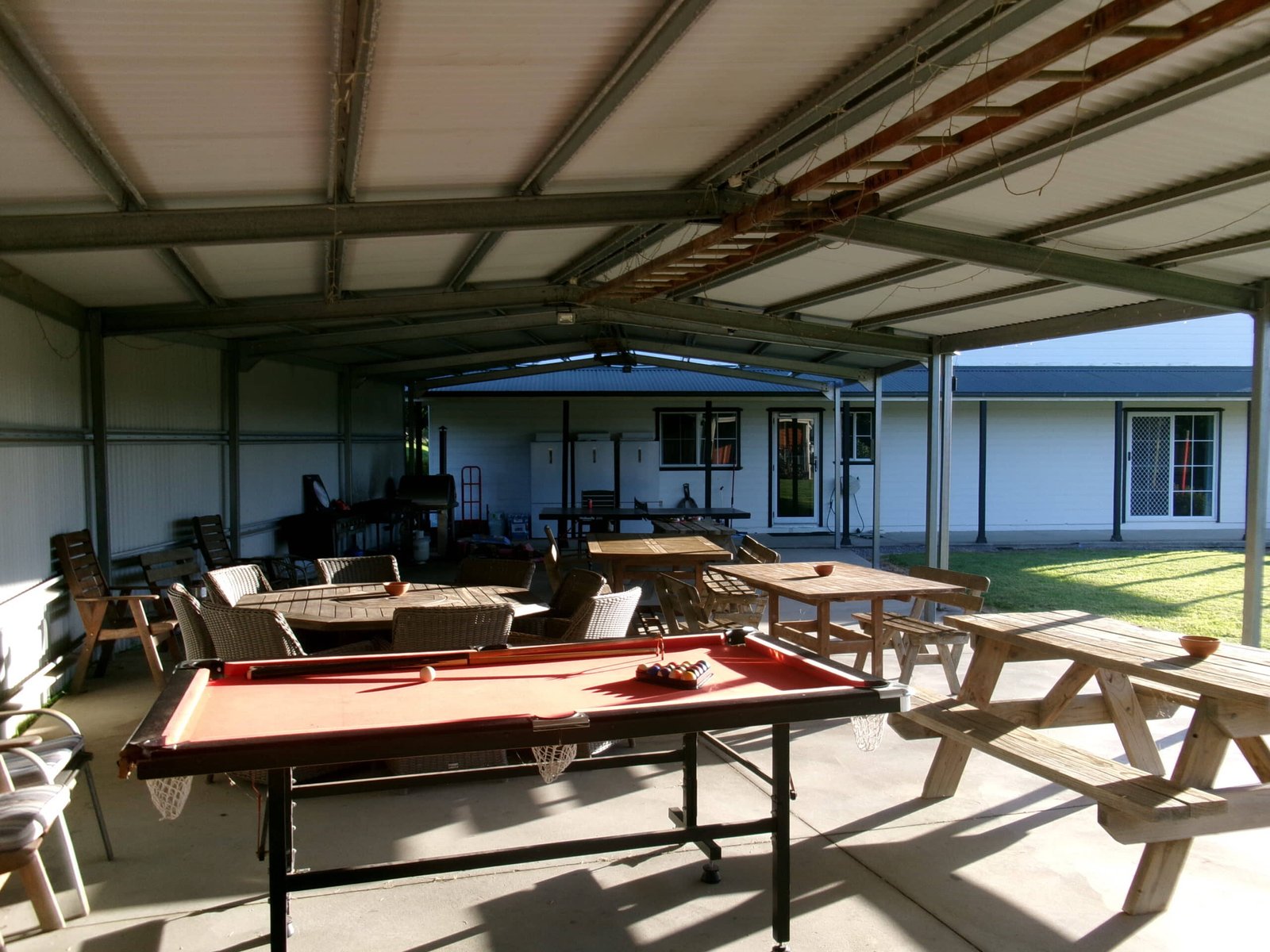
One of the great advantages of exclusive-use group accommodation is the abundance of shared communal space. For groups with accessibility needs, these spaces should be:
- Large enough to accommodate wheelchairs, mobility aids, or support equipment comfortably
- Free from narrow pinch points or obstacles that impede movement
- Furnished with a mix of seating heights so guests can choose what works for them
- Well-lit, to support guests with low vision
A large dining table that seats the whole group is a particular priority – being able to share every meal together, regardless of individual needs, is central to the group experience.
8. Quiet Spaces and Sensory Considerations
Accessibility isn’t only physical. For guests with autism, ADHD, anxiety, sensory processing differences, or cognitive disabilities, the sensory environment of a venue matters just as much as its physical layout.
Look for venues that offer:
- Quiet rooms or spaces away from the main communal areas where guests can decompress
- The ability to dim or control lighting
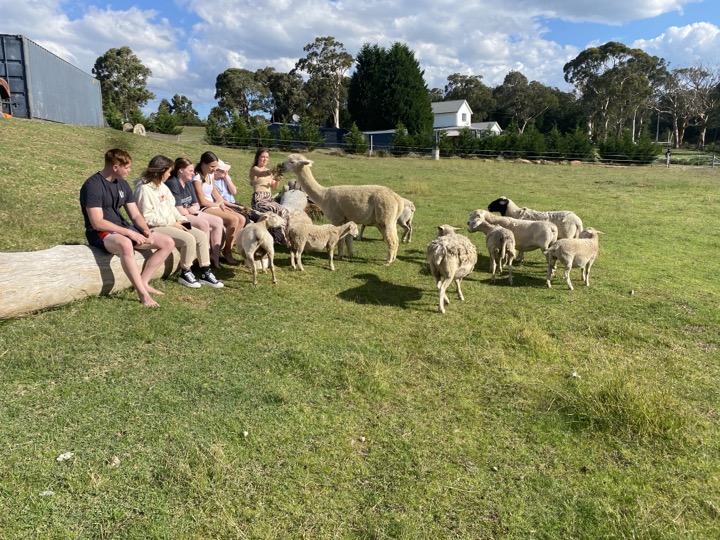
- Outdoor green spaces where guests can walk, sit, and regulate without overstimulation
- A general sense of spaciousness – venues that feel cramped or chaotic can be genuinely distressing for guests with sensory sensitivities
A large private estate, away from busy roads and public noise, naturally provides a calmer sensory environment than a hotel or urban venue.
9. Proximity to Medical Services
For groups that include guests with significant medical needs, it’s worth checking how far the venue is from the nearest hospital, GP clinic, or pharmacy. While you hope never to need them, knowing that support is accessible within a reasonable distance provides important reassurance for group organisers and support workers.
Questions to Ask Your Venue Before You Book
Don’t rely solely on what’s listed on a venue’s website – accessibility features are often underlisted in marketing materials. Before confirming a booking, ask directly:
- Are any of the bedrooms and bathrooms on the ground floor?
- How wide are the doorways in the accessible rooms?
- Is the property fully fenced?
- Are there any steps between the entrance, bedrooms, bathrooms, and communal areas?
- What is the pool safety setup?
- Can room configurations be adjusted to accommodate specific needs?
- Are there quiet spaces or outdoor areas away from the main communal hub?
- Is there parking close to the entrance for guests with limited mobility?
A good venue will answer these questions clearly and willingly. If a venue is vague or can’t provide straightforward answers, that’s a signal worth heeding.
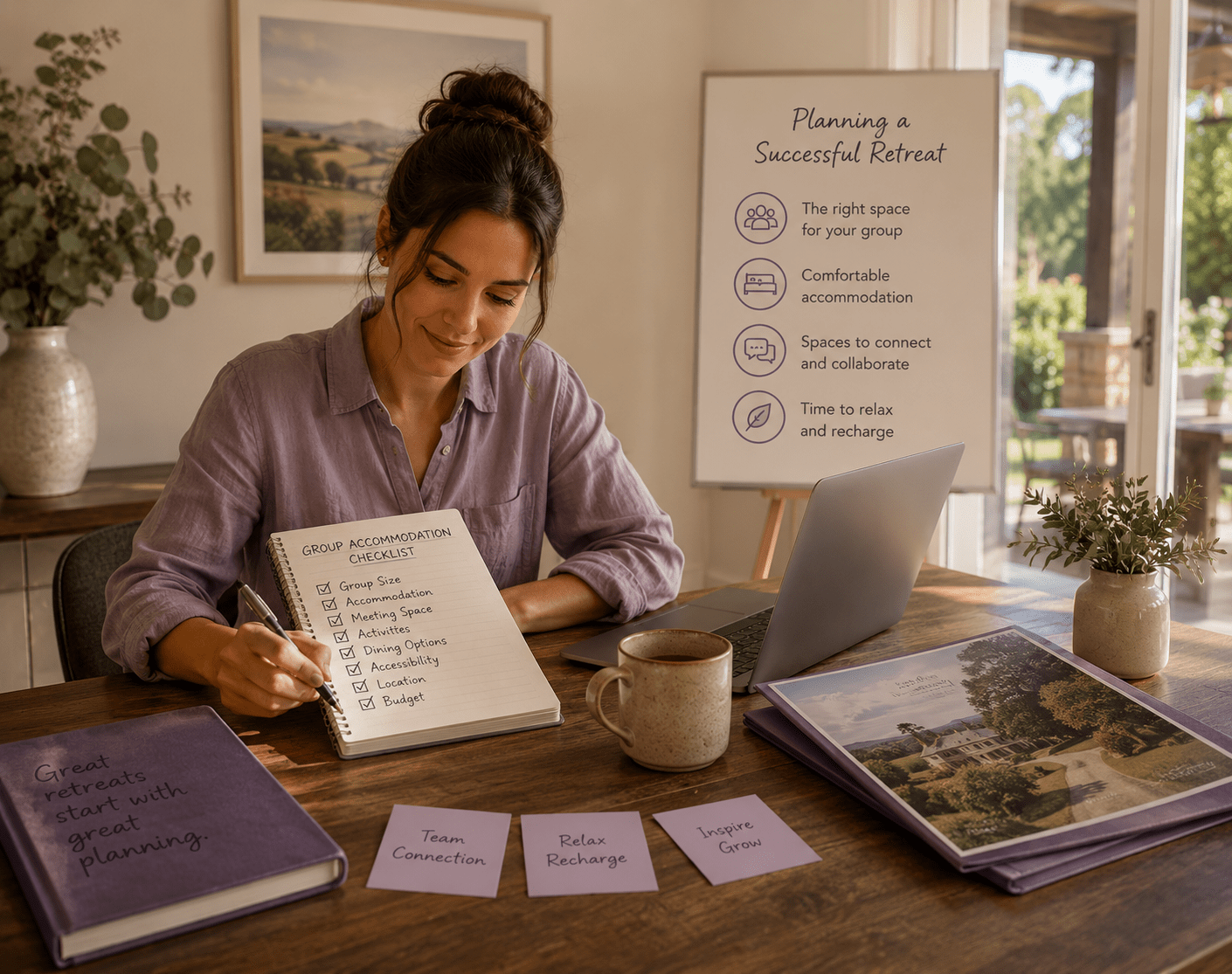
Group Accommodation for Special Needs Groups at Berrima Retreat
Berrima Retreat in the Southern Highlands of NSW is a popular destination for special needs groups, supported disability outings, and multigenerational family stays – and it’s easy to understand why.
The private, fenced estate provides the kind of secure, calm, and spacious environment that works beautifully for guests with a range of needs. Set just 90 minutes from Sydney and Canberra, the Berrima Mansion accommodates up to 55 guests overnight across 11 generous bedrooms – all with exclusive use of the property, meaning your group has the whole space to yourself.
Key features that support accessible and special needs group stays include:
- Multiple ground floor bedrooms – 7 of the 11 bedrooms are located on the ground floor, including family rooms where parents and children can share a comfortable space
- Flexible bed configurations – king beds that can be split into king singles, allowing room layouts to be adapted to the specific requirements of your group
- Multiple bathrooms spread across the property, reducing congestion and pressure during morning routines
- A fully private and secure estate with no shared spaces with strangers – essential for groups where safety and predictability matter
- Expansive outdoor areas including gardens, a pool, open lawns, and a firepit – all within the secure property boundary
- Quiet outdoor spaces away from the main house where guests who need to decompress can do so safely
- A large commercial kitchen to accommodate dietary requirements, feeding schedules, and the varied needs of large groups
- Spacious communal rooms – the dining areas, media room, and lounge are large enough to accommodate mobility aids and support equipment comfortably
- Farm animals on site – a gentle, grounding experience that is especially popular with special needs groups and younger guests
The team at Berrima Retreat is experienced in hosting groups with diverse needs and is happy to discuss your group’s specific requirements ahead of your stay to ensure everything is set up appropriately.
Located in Berrima, voted the best small town in NSW, the retreat also sits within easy reach of gentle walking paths, open parkland, and the calm pace of the Southern Highlands countryside – an environment that is naturally soothing and restorative for guests who benefit from a quieter, greener setting.
Every Guest Deserves to Feel Included
Accessibility in group accommodation isn’t a box-ticking exercise – it’s about making sure that every person in your group can participate fully and feel genuinely welcome. When the venue is right, the barriers disappear, and what’s left is simply the experience of being together.
If you’re planning a group stay for a special needs group, a multigenerational family gathering, or any group where accessibility is a priority, Berrima Retreat would love to help you create an experience that works for everyone.
Visit www.berrimaretreat.com.au to download your free info pack, explore the property layout, and get in touch with the team to discuss your group’s specific needs.