Food is one of the great pleasures of a group retreat. Long shared meals, lazy Sunday breakfasts, a BBQ that runs well into the evening – these are the moments that anchor a group stay and bring people together in the most natural way possible.
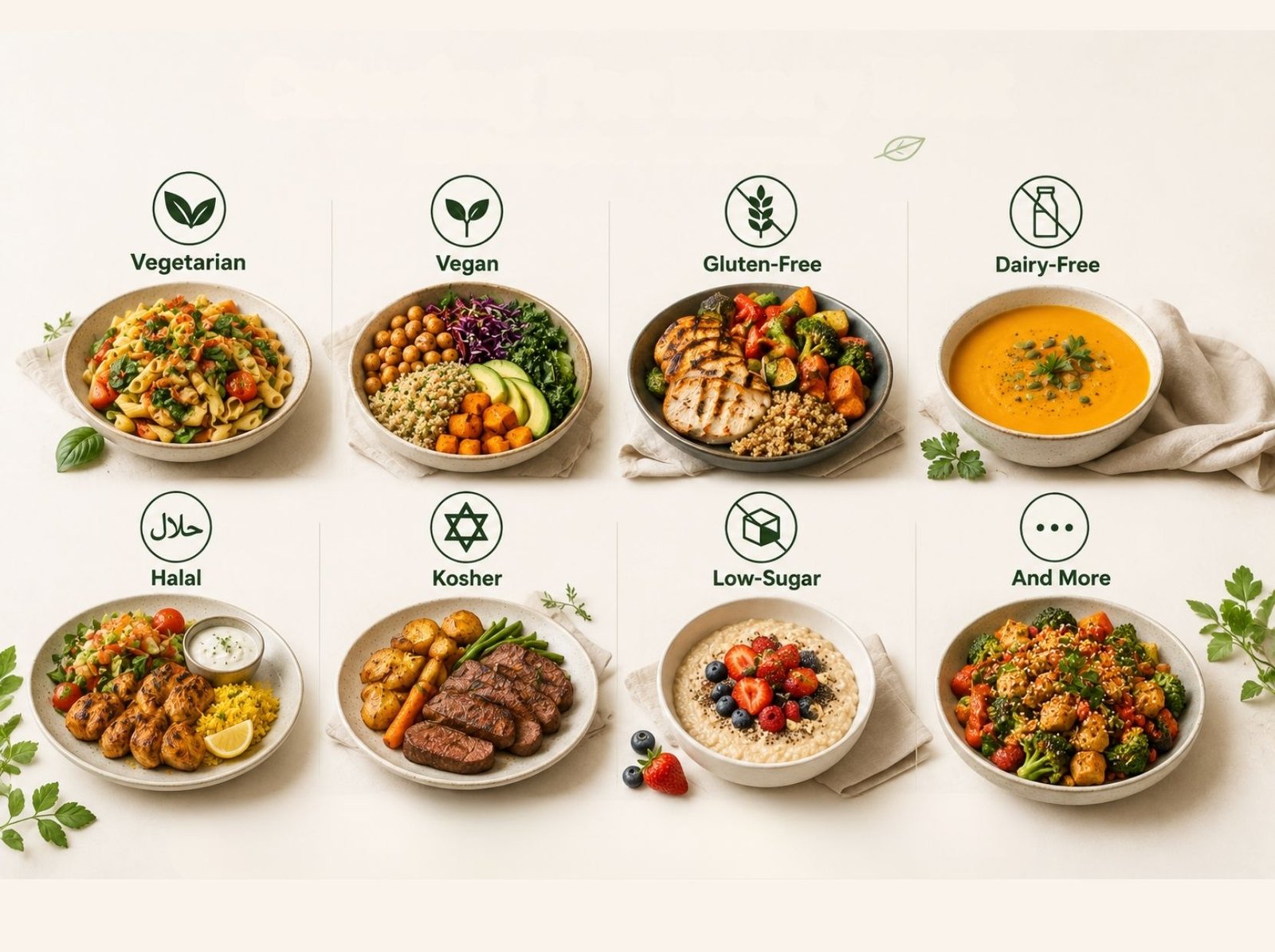
But when your group includes guests with dietary restrictions, allergies, or strong food preferences, catering can quickly become one of the most stressful parts of organising a retreat. Gluten-free, dairy-free, vegetarian, vegan, halal, kosher, nut allergies, shellfish allergies, low-FODMAP – the combinations are endless, and getting it wrong can range from disappointing to genuinely dangerous.
The good news is that with the right planning and the right venue, accommodating group dietary restrictions at a group retreat doesn't have to be complicated. This guide walks you through exactly how to do it – so that every guest at your table feels genuinely looked after.

Why Group Dietary Planning Matters More in Group Settings
In a restaurant, dietary restrictions are someone else's problem. You flag them to the waiter, the kitchen handles it, and a modified dish arrives. In a self-catered group retreat, the responsibility sits with the group – and that requires a more proactive approach.
The stakes are also higher in a group setting. A guest with a severe nut allergy in a shared kitchen where someone else is cooking with peanut oil faces a real risk. A vegan guest who arrives to find that every shared meal is meat-based will feel excluded and overlooked for the entire stay. A guest with coeliac disease who can't trust that shared cooking surfaces haven't been contaminated will spend the weekend anxious rather than relaxed.
Getting group dietary planning right is not just about convenience – it's about safety, inclusion, and making sure every person at your retreat feels equally valued.
Step 1: Collect Dietary Information Early
The single most important thing you can do is ask the right questions early. Don't leave dietary collection to the week before the retreat – by then, your planning flexibility is limited and sourcing specialist ingredients can be difficult.
When you send out your initial retreat communication, include a simple dietary questionnaire that asks:
- Do you have any food allergies? (If yes, please specify and indicate whether they are severe/anaphylactic)
- Do you follow any specific diet? (Vegetarian, vegan, gluten-free, dairy-free, halal, kosher, low-sugar, etc.)
- Are there any foods you strongly dislike or prefer to avoid?
- Do you have any other dietary needs we should know about?
Make it clear that this information is important for safety, not just preference – guests who might otherwise understate a sensitivity are more likely to be thorough when they understand the context.
Give people a clear deadline for responses, and follow up with anyone who hasn't replied. A blank answer is not the same as no dietary requirements.
Step 2: Categorise and Prioritise What You're Working With
Once you have responses, sort the dietary needs into two categories:
Non-negotiable medical requirements – severe allergies (particularly anaphylactic reactions to nuts, shellfish, eggs, or dairy), coeliac disease, and medically prescribed diets. These require careful, separate management and cannot be treated casually.
Preference-based dietary choices – vegetarian, vegan, gluten-free by preference, dairy-free, low-carb, and similar. These are important for inclusion and enjoyment but don't carry the same safety stakes.
This distinction helps you prioritise where to put your careful attention – and helps you explain to your catering team or fellow cooks why certain requirements need special handling.
Step 3: Plan a Menu That Works for Everyone
This is where many group retreat organisers overcomplicate things. The temptation is to cook separate meals for people with different requirements – but this approach creates extra work, makes guests with dietary restrictions feel singled out, and turns mealtimes into a logistical exercise rather than a shared experience.
A smarter approach is to build your menu around inclusion from the start. Many dishes are naturally accommodating of multiple dietary needs, or can be easily adapted:
- A taco or burrito bar allows guests to build their own plate – proteins, vegetables, beans, and toppings served separately, so everyone takes what works for them
- A grain bowl format (rice or quinoa base, multiple protein and vegetable options, sauces on the side) suits almost every dietary need simultaneously
- A large shared salad with protein served separately works for vegetarians and meat-eaters alike
- Grilled proteins at a BBQ, served alongside generous vegetable sides and salads, cover most bases with minimal extra effort
- Breakfast options like eggs, fruit, yoghurt, toast, and avocado naturally accommodate a wide range of needs
When you design meals to be flexible by default rather than accommodating by exception, the whole catering experience becomes simpler and more enjoyable for everyone.

Step 4: Handle Severe Allergies Separately and Seriously
For guests with severe or anaphylactic allergies, the general menu approach is not sufficient on its own. These guests need additional care:
Communicate directly with the guest before the retreat. Ask them exactly what they need, what cross-contamination risks concern them, and whether they prefer to manage their own food entirely or trust group-prepared meals with appropriate precautions.
Designate allergen-free zones in the kitchen if needed – a specific bench, chopping board, and set of utensils that are kept entirely clear of the relevant allergen.
Label everything in the fridge and pantry. When 30 people are cooking and grazing over a long weekend, unlabelled containers create genuine risk. A simple system of sticky labels indicating ingredients used takes minutes to implement and could be critical.
Brief your group cooks on the specific allergies present before cooking begins. Everyone handling food should know who has what allergy, and what that means in practice.
Ensure an EpiPen is accessible if a guest with anaphylactic allergies is attending – and confirm in advance that the guest is travelling with their own. Know the location of the nearest hospital.
Step 5: Shop Strategically
With a clear menu and a full picture of dietary requirements, you're ready to shop. A few practical tips for retreat catering:
Shop at a supermarket with a good free-from range rather than relying on a smaller local store. In regional areas, it's worth doing the bulk of your specialist shopping before you leave the city – gluten-free pasta, dairy-free milk alternatives, and other specialist items can be hard to source in small towns.
Buy more than you think you need. In a group setting, quantities are hard to predict. Running out of food at a retreat is far more disruptive than having leftovers.
Store allergen-free items separately and label them clearly. If a guest with coeliac disease has their own dedicated gluten-free bread and pasta, store it in a separate area of the fridge or pantry to eliminate cross-contamination risk.
Check labels carefully for hidden allergens. Many packaged foods contain unexpected traces of nuts, dairy, or gluten. If you're shopping for someone with a severe allergy, read every label – not just the front-of-pack claims.
Step 6: Assign a Catering Coordinator
In a group of any size, catering works best when one person takes ownership of it. This doesn't mean one person does all the cooking – it means one person holds the full picture of dietary requirements, plans the menus, coordinates the shopping, and briefs anyone else who is cooking.
Without a single point of coordination, it's easy for dietary requirements to fall through the cracks. Someone cooks a dish with dairy without realising a guest is lactose intolerant. The gluten-free pasta gets accidentally mixed up with the regular pasta. The nut-free dish gets garnished with cashews without anyone thinking to check.
A catering coordinator prevents these moments – and takes a significant amount of mental load off the rest of the group.
Step 7: Consider Hiring a Private Chef
For groups with complex dietary requirements – or for organiser who simply don't want catering to dominate the retreat experience – hiring a private chef is worth serious consideration.
A professional chef experienced in group catering will be comfortable managing multiple dietary requirements simultaneously, sourcing appropriate ingredients, and ensuring safe preparation. They'll also free your group from cooking duties entirely, which for a corporate retreat or a celebration weekend can be a significant quality-of-experience upgrade.
Many group accommodation venues with commercial kitchens can accommodate external private chefs. If this is the direction you want to go, confirm with your venue early and ask whether they have recommended chefs familiar with the property.

Why the Right Group Accommodation Makes Dietary Management Easier
The venue you choose has a significant impact on how manageable dietary catering is in practice. The key features to look for:
A commercial-grade kitchen with ample bench space, multiple cooking zones, and a large fridge – essential for preparing multiple dishes simultaneously and storing allergen-free items separately.
Multiple fridges or dedicated storage areas so different dietary items can be kept separate and clearly labelled without creating fridge chaos.
A well-stocked kitchen including a full range of pots, pans, baking trays, and utensils – so you're not trying to cook for 30 people with two saucepans and a shared colander.
A venue that allows self-catering and external chefs – some accommodation venues restrict what you can do in the kitchen, which limits your flexibility. Confirm that the venue actively supports self-catered group stays.
Catering for Groups at Berrima Retreat
Berrima Retreat in the Southern Highlands of NSW is built for exactly this kind of large-group, self-catered experience – and the kitchen is one of its standout features.
The Berrima Mansion is equipped with a commercial-grade kitchen purpose-built for group catering: multiple cooking zones, generous bench space, a large fridge, and a full complement of cookware and utensils for groups of up to 55 guests.
Whether your group is self-catering across a weekend or bringing in a private chef for a special dinner, the kitchen is up to the task.
The property's exclusive use model means your group has complete control of the kitchen and dining spaces for the duration of your stay – no sharing with other guests, no timing conflicts, no risk of cross-contamination from a stranger's cooking. For groups managing severe allergies, this level of control is genuinely reassuring.
Located just 90 minutes from Sydney and Canberra in Berrima, the Southern Highlands' most celebrated town, the retreat offers a beautiful and private base for group stays of all kinds – from family reunions and corporate retreats to school camps and special needs group outings.
Great Food Brings a Group Together
A retreat where mealtimes are inclusive, relaxed, and delicious is a retreat where everyone feels at home. With the right planning, the right menu approach, and the right venue, dietary restrictions don't have to be a source of stress, they can simply be one of the things your group handles well, and moves on from, to focus on the experience that actually matters.
For full details on the Berrima Retreat kitchen, capacity, and exclusive-use bookings, visitwww.berrimaretreat.com.au or call 1300 76 13 76 to talk through your group's specific needs.